

Unsatisfied Couples: Causes of Sexual Dissatisfaction and Ways to Improve Intimacy

Understanding sexual satisfaction
Satisfaction is individual and can involve emotional connection, comfort, consent, desire and pleasure. Preferences differ between partners.
Common causes of dissatisfaction
Stress, fatigue, pain, vaginal dryness, hormonal changes, medications and relationship difficulties can contribute. Ejaculation timing is not the only factor.
Communication between partners
Discuss preferences and concerns at a calm time. Respect boundaries and avoid pressure.
Erectile and ejaculation difficulties
Couples can seek clinical advice when these difficulties persist. Satisfaction cannot be measured solely by duration or size.
Practical steps
Prioritize rest, relaxed time together and appropriate water-based lubricant when needed. Persistent pain or discomfort warrants clinical assessment.
Related reading
Early ejaculation | Erectile difficulties
How to discuss satisfaction without blame
Ask what feels comfortable, whether anything causes discomfort and whether expectations differ. Listen without imposing a solution. Consent can be withdrawn at any time.
Managing differences in desire
Partners need not experience desire at the same time. Work, caregiving, sleep and health can influence interest. Make time for connection without treating intercourse as an obligation.
Choosing professional support
A gynecologist can assess persistent pain or dryness, a urologist can assess erectile or ejaculation difficulties, and a qualified couples counselor can help with communication. Discuss suspected medication effects with a clinician rather than stopping treatment yourself.
Recognizing patterns of dissatisfaction
Recurring discomfort, frustration or avoidance of intimacy can be a reason to talk together. Occasional differences in desire are normal. Avoid blaming either partner for a single experience. Consider physical comfort, emotional connection and expectations separately.
Match the response to the underlying concern
Physical discomfort and dryness
Allow time for arousal and consider a suitable lubricant. Stop if an activity hurts. Recurrent pain, bleeding or unusual discharge warrants clinical assessment.
Performance anxiety
Treating duration or erection firmness as a test can increase pressure. Spend time together without a fixed performance target. Persistent erectile or ejaculation difficulties warrant individualized clinical advice.
Emotional distance
Sharing daily responsibilities, listening to each other and making time to relax together can support connection. Discuss unresolved disagreements in a calm setting.
A seven-day communication plan
During the first two days, discuss expectations and concerns without blame. Over the next two days, make time for mutually enjoyable activities. On day five, review sleep, stress and health-related barriers. During the final two days, agree on changes that feel comfortable to both partners and consider whether professional support would help. This is a conversation starter, not a treatment program.
Preparing for a consultation
Record when concerns began, whether they occur in specific situations and whether medications or health conditions have changed. Both partners may participate in a consultation if they wish.
Ultra Action Capsule for general men’s wellness
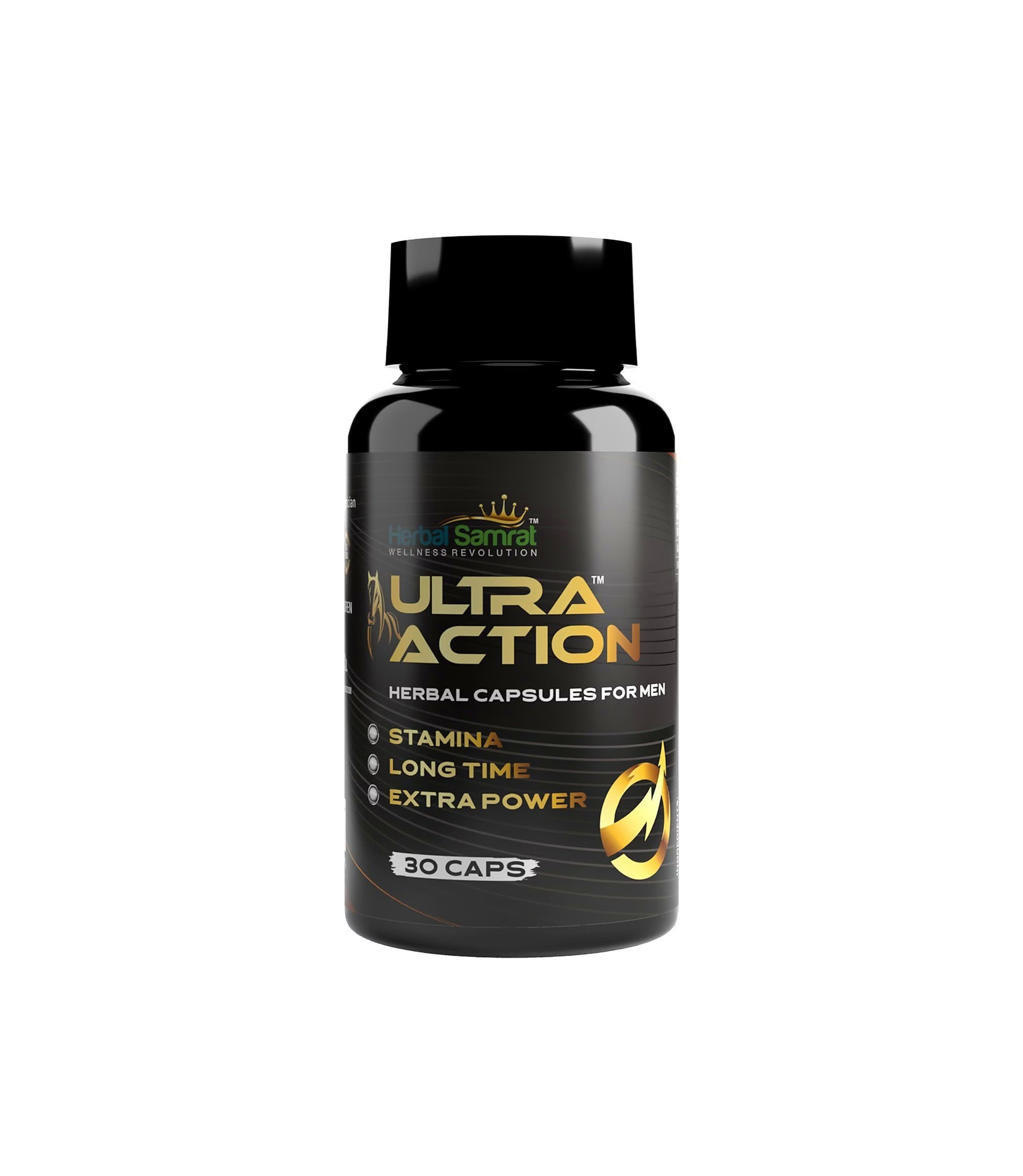
Ultra Action Capsule – 30 Capsules
An Ayurvedic capsule formulated for traditional general men’s wellness routines.
- Declared ingredients include Ashwagandha, Safed Musli, Gokhru, Mucuna, Akarkara, Shatavari and purified Shilajit.
- 30 capsules; Real Care Herbals, licence 823-ISM(HR), as listed.
General wellness products cannot guarantee a partner’s satisfaction. Follow the original label directions.
Frequently asked questions
Does satisfaction depend only on timing?
No, comfort, desire and communication also matter.
Can stress affect intimacy?
Yes, stress can affect desire and pleasure.
Should persistent pain be ignored?
No, seek clinical advice.
Is size the most important factor?
No, preferences and experiences vary.
Can counseling help?
Qualified couples counseling may help some partners.
When should we seek medical advice?
For persistent pain, changes in desire or sexual difficulties.